
We Ignored the Physics. The System Didn’t.
After billions in spending, Maine’s grid still depends on oil, imported LNG, and a policy-constrained gas network to get through winter.

The Story We’re Being Told
Maine is being told it is in the middle of a “clean energy boom.” The latest report from the Maine Department of Energy Resources points to more than 16,000 jobs and nearly $3 billion in economic activity.
Those numbers are deeply misleading.
They are built on a definition of “clean energy” that includes everything from HVAC work to efficiency programs to administrative roles tied to compliance and incentives. Much of it is driven by government policy, subsidies, and ratepayer-funded programs—not by a competitive energy system that delivers lower-cost, reliable power and can stand on its own in the market.
So yes, there is activity. But calling it a “boom” suggests the system is working.
It isn’t.
What the System Actually Does
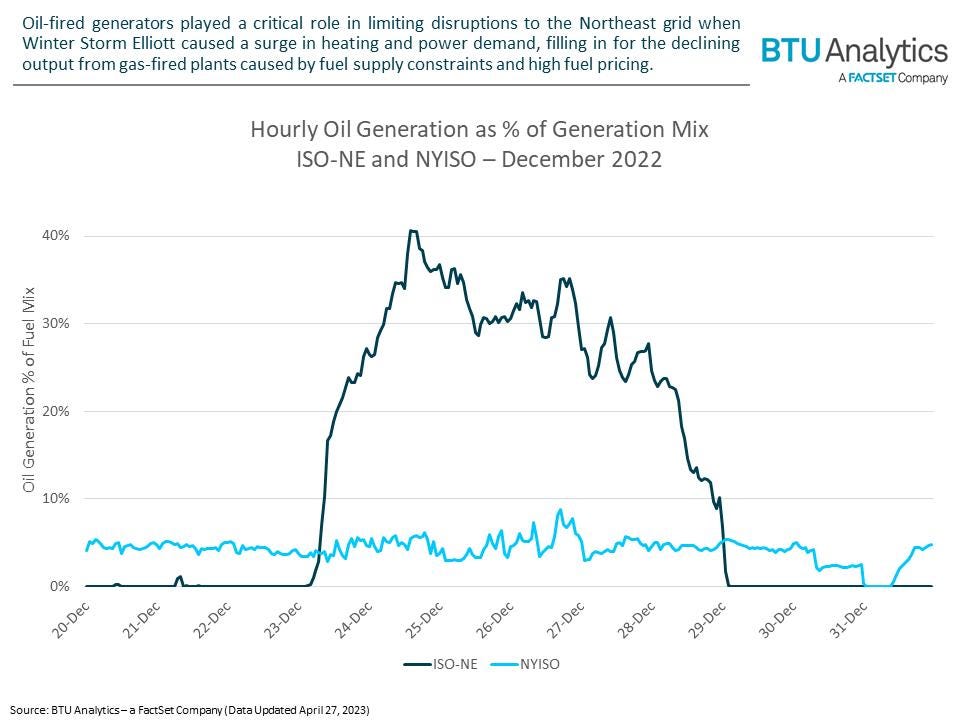
At the same time, the grid still depends on oil when it matters most.
Not occasionally, and not as a last resort. This isn’t an isolated event—it’s how the system is built. During extreme winter conditions—cold, dark, and still—natural gas delivery is maxed out because pipeline capacity was never expanded to meet peak demand. Renewable output falls, and the system turns to whatever can run.
That means oil.
Major pipeline expansions into New England were proposed and then stopped after sustained opposition from environmental advocacy groups and regulatory actions that made new pipeline construction effectively impossible.
Those efforts were driven by a focus on reducing fossil fuel infrastructure. But the result was not the elimination of fossil fuels—it was a system that still depends on them, just under worse conditions. Heating needs take priority, power plants get squeezed, and the system turns to oil.
Oil isn’t a backup. It’s part of the design.
We Didn’t Replace the System—We Duplicated It
We didn’t replace the system. We built a second one on top of it.
Wind, solar, batteries, and efficiency programs were added to the grid, but oil and imported LNG were never removed because they couldn’t be. During peak demand—especially in winter—those fuels are still what keep the system running.
That’s not a transition. It’s duplication, and duplication is expensive. Every dollar spent building weather-dependent generation has to be matched by dollars spent maintaining something that can run on demand, because reliability is not optional.
In Maine, that matters. Solar panels in this region typically produce on the order of 15% of their rated capacity over the course of a year, and wind often averages around 25–30%. Those are annual averages—and they drop much lower at the exact moments demand is highest.
In the winter, when the system is under the most stress, days are short, skies are often overcast, and wind conditions can be still. At those moments, output can fall to very low levels—or disappear entirely.
That’s why something else has to be there.
You don’t build a power system around averages. You build it around the hours when everything is strained.
The Subsidy Layer
None of this happened by accident. What is being described as a “clean energy boom” is the direct result of policy, not the emergence of a competitive energy system. It is driven by federal subsidies, state mandates, and ratepayer-funded programs that shape what gets built and where capital flows.
At the federal level, the Inflation Reduction Act created one of the largest waves of energy subsidies in history, with tax credits like the Production Tax Credit and Investment Tax Credit directly improving the economics of wind, solar, and storage projects. At the state level, Maine layers on its own incentives and requirements—efficiency programs funded through electric rates, Net Energy Billing, and procurement mandates that guarantee revenue streams for certain types of generation.
When you subsidize an activity at this scale, you will get more of it. That’s not a market signal—it’s a policy outcome.
You don’t tear down the old bridge until the new one can carry the full load. Anyone driving around Cumberland or Falmouth can see how this works. The Maine Department of Transportation keeps existing infrastructure in service until the replacement is ready. You don’t remove critical infrastructure first and hope the system adjusts.
That’s exactly what we’ve done here.
What Actually Happens in Winter
Winter is where the system is tested.
During extreme cold—when days are short, demand is high, and conditions are often still—the grid shifts quickly. Natural gas delivery is maxed out, not because the fuel doesn’t exist, but because the region never added the pipeline capacity needed for winter peaks. Renewable output falls, and the system turns to whatever can run at scale.
That means oil.
Across New England, oil-fired and dual-fuel plants ramp up sharply during peak demand. At critical hours, oil can supply a significant share of total generation—not as a primary resource, but as the fuel that keeps the system operating when everything else is tight.
Those plants store fuel on site and can run when needed, independent of pipelines or weather conditions. They are not the most efficient or the lowest-cost option, but they are available when the system has no margin for error.
That is what reliability looks like in practice.
Emissions Don’t Respect State Lines
Maine does not operate its own power system in isolation. It is part of a regional grid managed by ISO New England, where electricity is dispatched across state lines based on what is available and what can run.
When pipeline capacity is insufficient, the region turns to imported liquefied natural gas. It’s the same pattern in a different form.
In typical conditions, natural gas priced at the Henry Hub trades in the range of $3 to $5 per MMBtu, while LNG delivered into New England during constrained winter periods can range from $10 to $25 or more.
At the height of the Russian invasion of Ukraine, LNG surged to $50 to $70 per MMBtu.
New England burns roughly 200–300 million MMBtu of gas in a winter. At those price spreads, that implies exposure of roughly $8 to $15+ billion in a single season.
Those costs flow directly into electric bills.
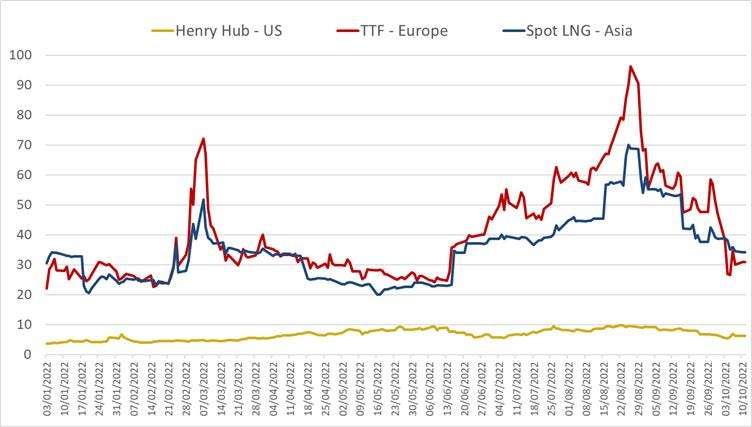
By relying on LNG, the region has built direct exposure to global energy markets into its power system.
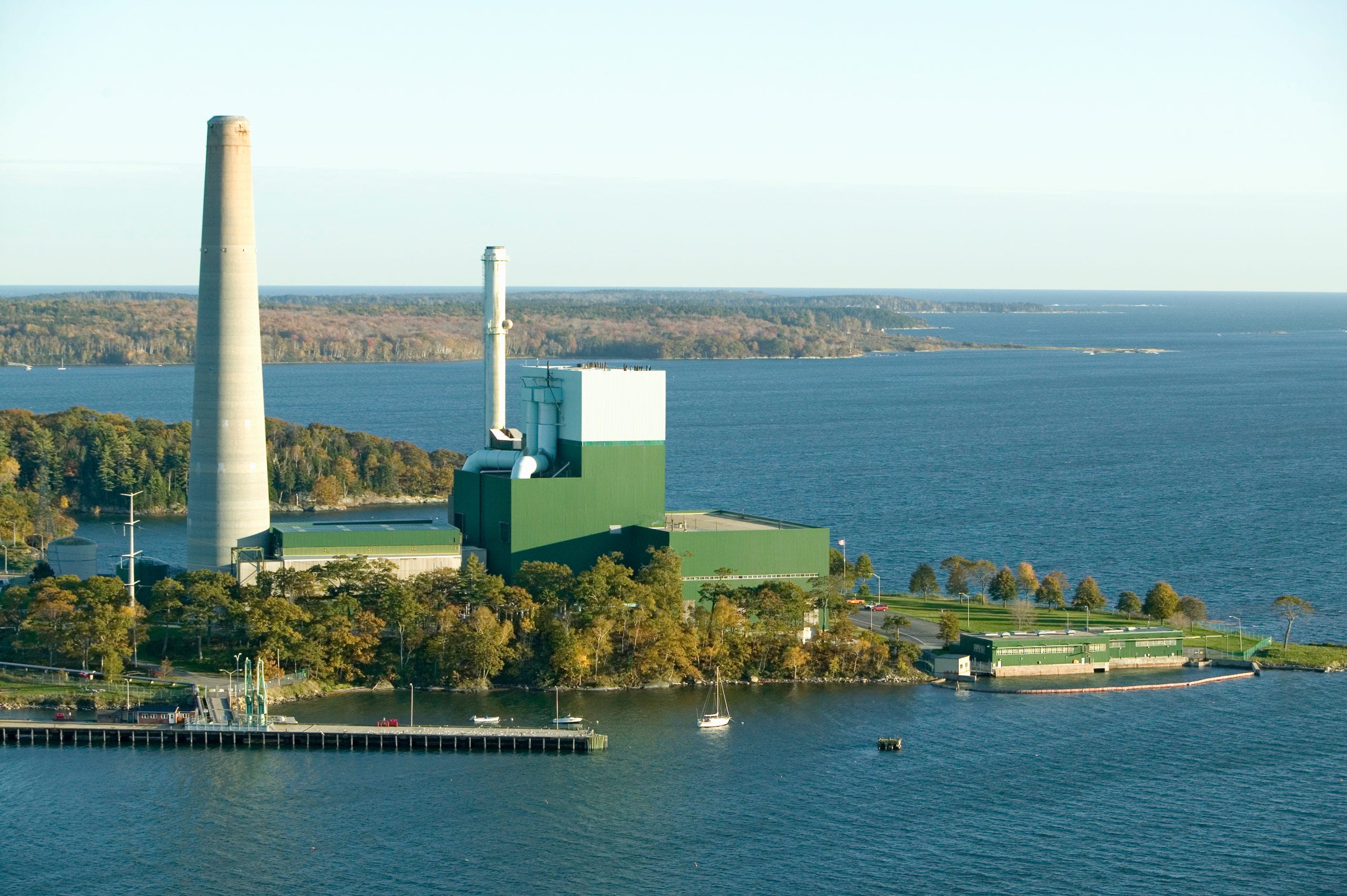
The effort to restrict or effectively shut down Wyman Station is a good example of how far this has drifted from the reality of how the system actually works.
Wyman isn’t a plant that runs every day, and it isn’t intended to. It exists for the conditions this system struggles with most—periods of extreme winter demand when natural gas delivery is constrained, renewable output is low, and the margin for error disappears. In those moments, plants like Wyman are not optional. They are part of what keeps the system operating.
Requiring a facility like that to install expensive emissions controls—despite the fact that it may only run a limited number of hours each year—doesn’t eliminate the need for the plant. It just makes it more costly to keep available, or pushes it toward retirement without anything capable of replacing it under the same conditions.
We’ve seen this pattern before. Pipeline capacity was constrained without being replaced, and the system didn’t stop using fuel—it shifted to oil and imported LNG when demand peaked. The same logic is now being applied to dispatchable generation. Limit what can run when it matters most, without putting something equally dependable in its place, and the system will adjust in ways that are more expensive and often less efficient.
From a distance, that can look like progress. In practice, it’s a system that is being tightened at the margins while still depending on the very resources it is trying to phase out.
The Scorecard We Should Be Using
Step back and look at what has happened.
We have spent billions of dollars across federal programs, state policies, and ratepayer-funded initiatives to reshape the energy system. Maine has passed laws like Maine Won’t Wait, reduced natural gas capacity before building a replacement, and pushed widespread electrification without a plan to add firm generation to meet peak demand. At the same time, regional policies like the New England Heat Pump Compact are adding roughly 4 gigawatts of new winter peak demand—with zero gigawatts of firm supply to back it up.
And yet, when the system is tested, it still depends on oil, imported LNG, and a policy-constrained natural gas network.
If the goal is lower emissions, the system tells a different story. When generation shifts across state lines, when oil is burned under peak conditions, and when LNG replaces lower-cost pipeline gas, total emissions don’t disappear. LNG also carries additional emissions from liquefaction, transport, and delivery by ship, making it a more energy-intensive way to supply the same fuel.
If the system still relies on oil under stress, if it replaces $4 gas with $40 gas shipped in from overseas, and if costs continue to rise, then we haven’t built a better system.
We’ve built a more expensive one that still depends on everything it was supposed to replace.
Matt - thank you for the very useful, fact based energy information. I have used this education in polite conversations with several people who simply don’t understand the impact of the green energy religion on cost, reliability and resilience.
You are doing a great job. Tell them the problem, repeat and tell them why we have a problem, repeat, and tell them what you told them