
Maine’s Energy Crossroads: Grading the 2026 Gubernatorial Candidates
After eight years of Maine Won’t Wait, voters have enough evidence to judge the results

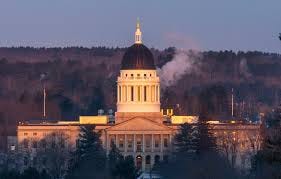
With Maine’s gubernatorial primary approaching, energy policy is one of the top issues voters are hearing from the candidates.
For nearly eight years, Maine has pursued one of the most aggressive climate and electrification agendas in the country through Maine Won’t Wait.
Billions of dollars have been invested. Thousands of heat pumps have been installed. Solar development has expanded dramatically. Electrification has become a central objective of state policy.
The promises have been made. The money has been spent. The policies have been implemented.
Now we can evaluate the results.
Electricity prices have more than doubled since 2020. Maine now has some of the highest electricity rates in the United States. New England remains heavily dependent on natural gas for electric generation. LNG imports have increased. Oil remains a constant part of the regional generation mix.
Economic growth has stalled. Maine’s economy recorded essentially zero growth last year, and state forecasts project little improvement in the years ahead. At the same time, much of Maine’s emissions reduction is attributable to industrial contraction, mill closures, and declining industrial energy consumption rather than the energy transition itself.
Those facts do not determine how anyone should vote. They do provide a framework for evaluating the candidates who want to lead Maine for the next four years.
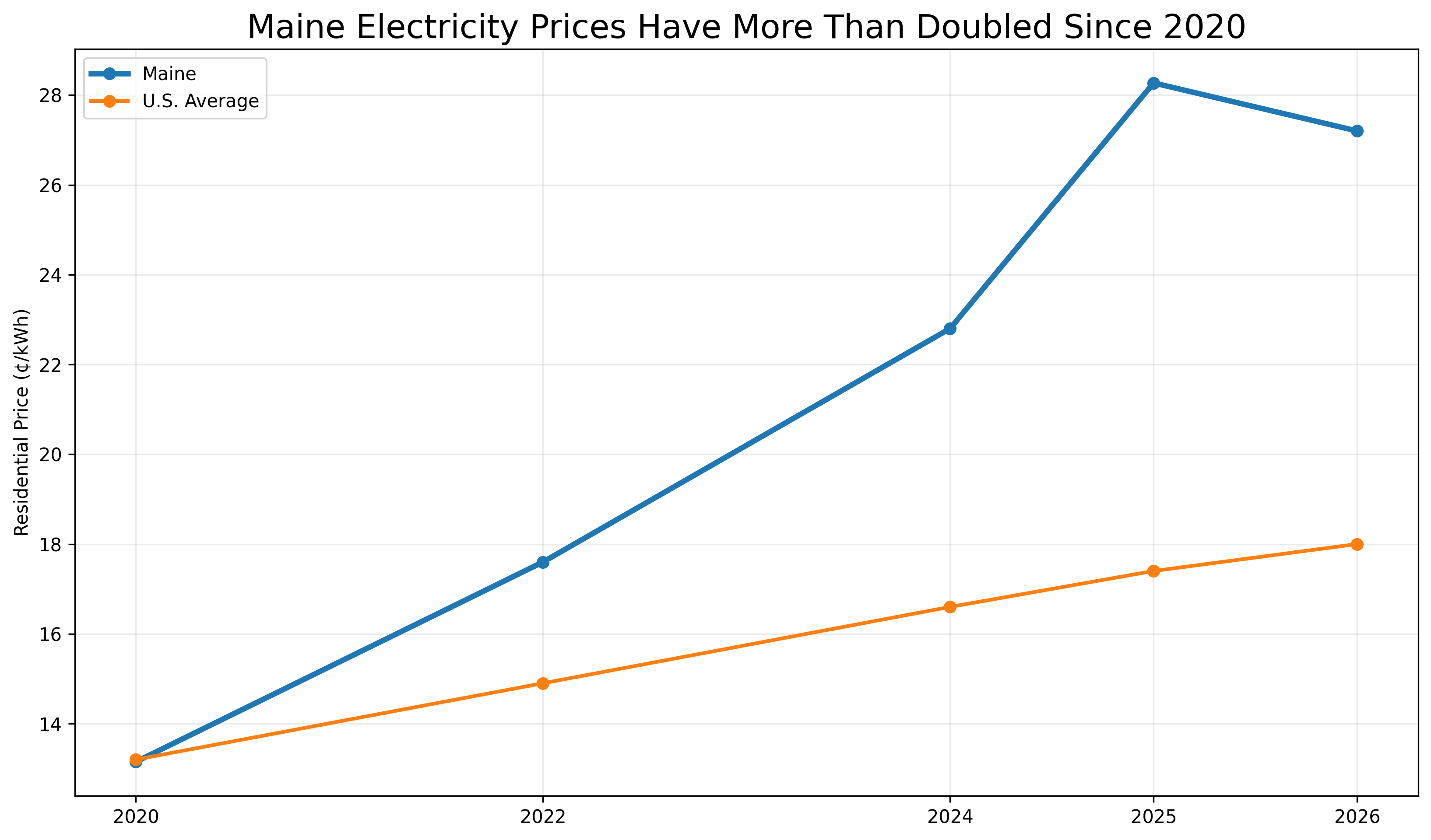
Electricity prices are not the only measure of success, but they are one of the most important. Affordable energy affects household budgets, business investment, economic growth, and competitiveness.
Price is only part of the story, however. Reliability and energy security matter as well. After years of renewable expansion, New England remains heavily dependent on natural gas, while LNG imports and oil-fired generation continue to play important roles during periods of high demand.
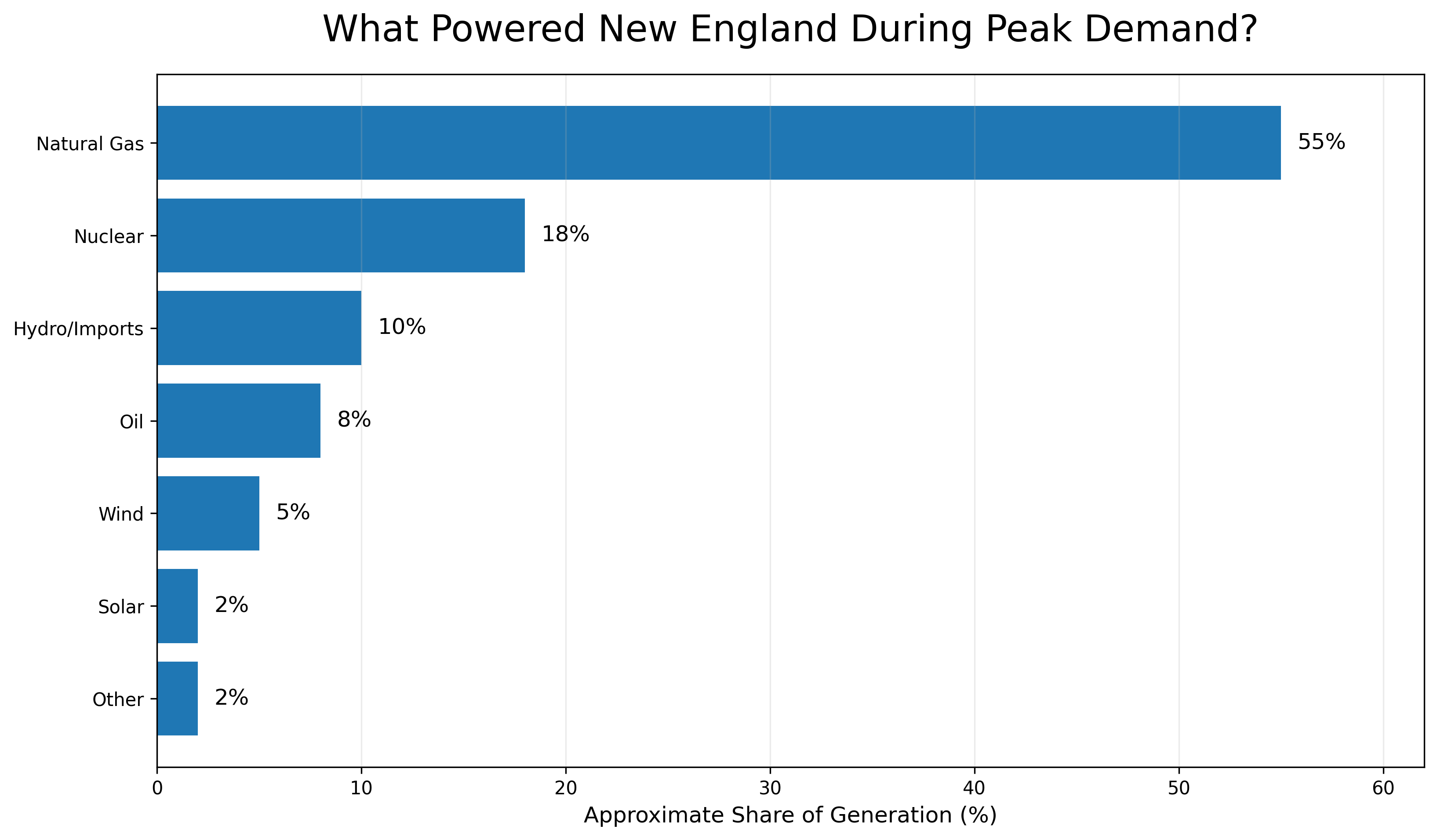
Those realities provide the context for evaluating the candidates seeking to become Maine’s next governor.
Disclosure
I know some of these candidates better than others.
I worked with Angus King III for approximately seven years and consider him a friend. I recruited Jonathan Bush to Maine while serving as CEO of Maine & Company, and we have remained in contact over the years. David Jones and I have shared a radio microphone for the past four years discussing energy, politics, and Maine’s future.
I met individually with several candidates, reviewed campaign materials, debate performances, public statements, media interviews, and applied the same evaluation criteria to everyone. Bobby Charles was invited to participate in a meeting but did not respond.
My goal is not to tell anyone how to vote. It is to evaluate how each candidate approaches Maine’s energy challenges and what results their policies are likely to produce.
How I Evaluated the Candidates
Every candidate in this race says they support affordable energy, reliable energy, economic growth, and environmental stewardship. The challenge is that those goals often compete with one another.
For this evaluation, I focused on five questions:
• Will this candidate’s policies lower energy costs?
• Will they improve reliability?
• Will they strengthen energy security?
• Will they support economic growth?
• Do they demonstrate a strong understanding of how New England’s energy system actually works?
I did not grade candidates on their intentions. I graded them on the likely outcomes of the policies they support.
Reasonable people can disagree with my conclusions, but after nearly eight years of Maine Won’t Wait, I believe voters deserve a discussion focused on results.
2026 Maine Governor Energy Scorecard
The following scorecard reflects my assessment of each candidate’s likely impact on energy affordability, reliability, energy security, economic growth, and their understanding of New England’s energy system.
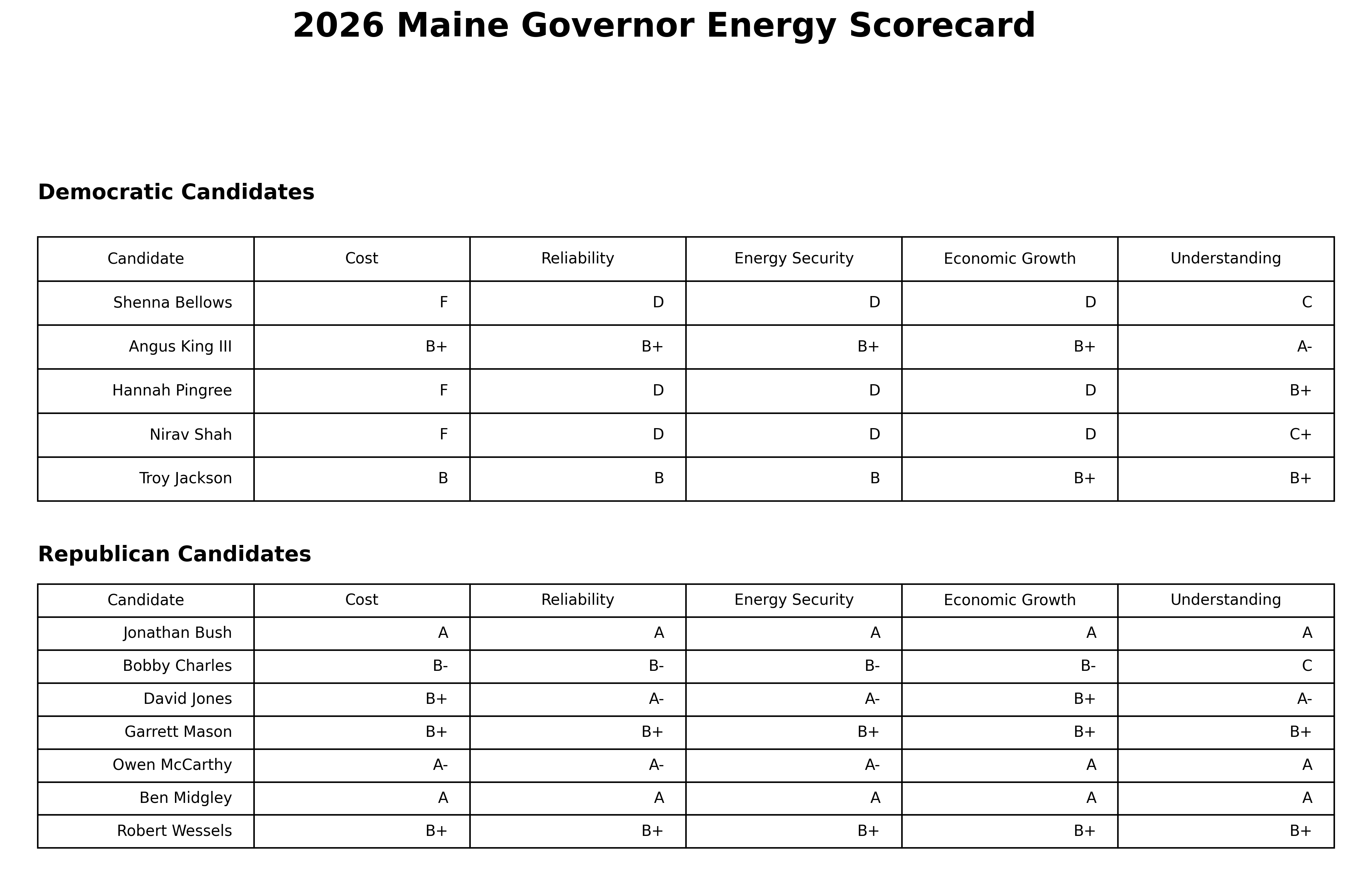
The grades reflect my assessment of likely policy outcomes, not intentions, character, or leadership ability.
What the Scorecard Revealed
The energy divide in this race does not always follow party lines.
The candidates differ less on identifying Maine’s energy challenges than they do on how to solve them.
Some candidates begin with affordability, reliability, and economic growth. Others begin with climate objectives and renewable energy deployment.
Those differences help explain the grades that follow.
Democratic Candidates
Angus King III
Of all the Democratic candidates, Angus King III has the strongest understanding of New England’s energy system.
My disagreements with Angus are not about the problems. They are about the solutions.
Angus has a strong grasp of electricity markets, utility regulation, reliability, economic development, climate policy, and the practical realities of operating an energy system in New England.
Where we differ is in his belief that wind and solar should remain part of the solution set. Angus is trying to solve two problems simultaneously: energy and climate.
I believe that strategy has not produced the promised results. Angus believes the region should continue pursuing an all-of-the-above approach.
Whether voters agree with Angus’s conclusions or mine, he has a deep understanding of the issues and tradeoffs associated with Maine’s energy choices. That understanding is reflected in his score.
Troy Jackson
Troy Jackson approaches energy through the lens of mills, manufacturing, and working families.
Troy’s first question is usually not about emissions. It’s about jobs. Can a paper mill stay open? Can a manufacturer compete? Can a family afford the electric bill? That perspective separated him from several other Democratic candidates in this evaluation.
Throughout the campaign, Troy consistently returned to the economic consequences of energy policy. He understands that high energy costs affect more than utility bills. They affect jobs, wages, investment decisions, and whether businesses choose to expand in Maine or somewhere else.
I do not agree with every energy policy Troy supports. However, I appreciated that he viewed energy through the lens of affordability and economic competitiveness rather than treating it solely as a climate issue.
That focus on jobs, manufacturing, and working families helped distinguish him from several other Democratic candidates and is reflected in his score.
Hannah Pingree
Hannah Pingree was the principal architect of Maine Won’t Wait, Maine’s climate and energy strategy. Any evaluation of Hannah’s energy policies must begin with that fact.
That does not mean Hannah lacks understanding of energy policy. Quite the opposite. She understands the strategy better than almost anyone in the race because she helped create it.
The question is not whether Hannah understands the strategy. The question is whether the strategy produced the promised results.
Over the last eight years, electricity prices have more than doubled. New England remains heavily dependent on natural gas. LNG imports have increased. Oil remains a constant part of the regional generation mix. Maine’s economy has stalled, and much of the state’s emissions reduction is attributable to industrial contraction and declining industrial energy use rather than the energy transition itself.
Supporters of Maine Won’t Wait argue the strategy is working and simply needs more time. I disagree. After eight years, voters have enough evidence to evaluate the results.
If voters believe the last eight years have been successful, Hannah offers the clearest path forward. If they do not, it is difficult to argue for more of the same.
Nirav Shah
Of all the candidates in the race, I found Nirav Shah’s energy platform the most difficult to distinguish from the policies pursued over the last eight years.
That is not necessarily a criticism. Many voters may view the Mills administration’s approach as a success and want to continue in the same direction. My challenge was identifying where Dr. Shah’s energy policies would materially differ from those already being implemented.
For voters who are satisfied with the results of the last eight years, that continuity may be appealing. For voters seeking a different direction, I did not see evidence that Dr. Shah would significantly alter Maine’s current course.
Shenna Bellows
Shenna Bellows’ energy positions generally represent a continuation of Maine’s current direction.
Like several other Democratic candidates, she supports aggressive climate goals, renewable energy deployment, and continued electrification. The challenge for me is that these policies have already been in place for much of the last eight years.
For voters who believe Maine is headed in the right direction on energy, Bellows offers continuity. For voters who believe affordability, reliability, and economic competitiveness have deteriorated, her platform offers little reason to expect a different outcome.
Republican Candidates
Ben Midgley
Ben Midgley begins with affordability.
Throughout the campaign, Ben consistently returned to a question that many policymakers seem to overlook: Can Maine families and businesses afford the energy system we are building?
Ben’s approach is rooted in the belief that affordability, reliability, and economic growth are not competing objectives. They are prerequisites for everything else. He argues that if energy becomes too expensive, Maine will struggle to attract investment, retain manufacturing jobs, and remain competitive with other states.
I found Ben’s focus on cost, economic competitiveness, and energy security both clear and consistent. Whether discussing electricity, natural gas, or economic development, he repeatedly returned to the importance of affordable energy as the foundation of a healthy economy.
What separates Ben from much of the field is his willingness to challenge assumptions that many politicians treat as settled. He is willing to question whether renewable energy subsidies are producing the promised results. He is willing to question whether Maine’s current climate policies are improving affordability. He is willing to ask whether the state is becoming more competitive or less competitive as a result of its energy choices.
He is also one of the few candidates willing to argue that some existing policies should be repealed rather than simply modified. Whether the issue is renewable energy subsidies, RGGI, or other elements of Maine’s current energy framework, Ben’s approach is not to make incremental adjustments around the edges. It is to ask whether the policy is achieving its intended purpose and, if not, whether it should continue at all.
That perspective, combined with a well-developed policy framework, is reflected in his score.
Jonathan Bush
Jonathan Bush begins with economic growth.
I recruited Jonathan to Maine when I was CEO of Maine & Company, and we have remained friends and stayed in contact over the years. During that time, I have watched him build businesses, create jobs, and think deeply about what allows economies to grow and prosper.
Jonathan approaches energy policy primarily through the lens of competitiveness, investment, and Maine’s ability to attract and retain businesses. His starting point is not energy policy itself. His starting point is economic growth. What kind of energy system allows Maine businesses to invest, expand, hire people, and compete?
That perspective leads him to many of the same conclusions reached by Ben Midgley. Jonathan understands that high energy costs discourage investment, make Maine less competitive, and ultimately reduce economic opportunity. He understands the importance of reliability, fuel security, and dispatchable generation. He also recognizes that businesses make long-term investment decisions based on confidence that affordable and reliable energy will be available for decades, not election cycles.
What impressed me most about Jonathan’s approach is that he sees energy policy as part of a larger economic system. Housing, permitting, workforce development, taxation, infrastructure, and energy all interact. A state that gets one of those pieces wrong can struggle. A state that gets several wrong can fall behind quickly.
If Ben Midgley starts with affordability and works forward, Jonathan Bush starts with economic growth and works backward. Interestingly, they arrive at many of the same conclusions. That combination of economic understanding, energy literacy, and focus on long-term competitiveness is why Jonathan earns the highest grades in this evaluation.
Owen McCarthy
Owen McCarthy presented the most comprehensive energy framework in the race.
Of all the candidates, Owen provided the most detailed and fully developed discussion of energy policy. His positions reflected a broad understanding of affordability, reliability, energy security, economic growth, permitting, infrastructure, and market structure.
What impressed me about Owen was not a single energy proposal. It was the amount of thought that clearly went into connecting energy, housing, permitting, infrastructure, workforce development, and economic growth into a coherent strategy. Unlike many candidates who discuss energy as a standalone issue, Owen recognizes that it is one component of a larger system that determines whether Maine grows, stagnates, or falls behind.
Like Midgley and Bush, Owen understands that affordable and reliable energy is essential to economic growth. He understands New England’s dependence on natural gas, the importance of dispatchable generation, and the economic consequences of rising electricity costs. He also recognizes that energy policy cannot be separated from broader questions of permitting, infrastructure development, and the state’s ability to attract investment.
The reason Owen falls slightly below Midgley and Bush is not because he misunderstands the issues. It is because I found him somewhat less willing to challenge some of the underlying policies that contributed to Maine’s current situation. While his solutions are thoughtful and well-developed, they tend to focus more on improving existing systems than fundamentally rethinking them.
Still, Owen’s understanding of the interaction between energy, economic growth, and public policy is among the strongest in the field, which is why he earns some of the highest grades in this evaluation.
David Jones
David Jones is the strongest advocate for nuclear energy in the field.
David Jones and I have shared a radio microphone for the past four years. We have discussed energy, economic development, public policy, and Maine’s future dozens of times.
David approaches energy the same way he approaches most issues: through the lens of common sense.
He understands that high energy costs hurt families, businesses, and economic growth. He also recognizes that Maine cannot build a prosperous economy on expensive and unreliable energy.
Of all the candidates in the race, David is probably the strongest advocate for nuclear energy. He sees nuclear power as a long-term solution to the affordability, reliability, and energy security challenges facing both Maine and New England. On that issue, I believe he is directionally correct.
Where David falls short of the highest-rated candidates is not in recognizing the problem. It is in developing a detailed roadmap for solving it. Compared to Midgley, Bush, and McCarthy, I found his overall energy platform less comprehensive and less developed.
Still, after four years of conversations, I have little doubt that David understands the direction Maine should be moving. I simply found fewer specifics that allowed me to score him as highly as candidates who have spent more time developing detailed energy policies.
Garrett Mason
Garrett Mason approaches energy as a practical economic issue.
Unlike several of the other candidates, I have not had extensive conversations with Garrett Mason about energy policy. My assessment is based primarily on his public statements during this campaign and his record as a State Senator.
What stood out to me was Garrett’s practical approach to the issue. Like several of the highest-rated candidates in this evaluation, he views energy as an economic issue first. He understands that affordability, reliability, and energy security are not abstract policy goals. They are prerequisites for economic growth, business investment, and a higher standard of living.
Based on his public statements and legislative record, Garrett recognizes many of the same challenges identified by Midgley, Bush, and McCarthy. He understands that high energy costs undermine competitiveness and that Maine cannot grow its economy while ignoring affordability and reliability.
Where I struggled was in finding the same level of detail and policy development offered by the top-tier candidates. Garrett generally identifies the right issues and points in the right direction, but I found fewer specifics regarding how he would implement those ideas as governor.
That does not place him in the wrong camp. He is focused on the right priorities. The difference is that I found less information available to evaluate the path from diagnosis to implementation, which is why he falls slightly below the top tier.
Robert Wessels
Robert Wessels consistently challenged assumptions that have become common in Maine’s energy debate.
After meeting with him and discussing energy policy, I came away with the view that Robert understands many of the same affordability, reliability, and economic growth challenges identified by the strongest candidates in the field.
Like Garrett Mason and David Jones, the challenge is not recognizing the problem. The challenge is the level of detail and development behind the proposed solutions.
Still, I found myself agreeing with his assessment of many of Maine’s energy challenges. He demonstrated a practical understanding of affordability, reliability, economic growth, and competitiveness. That understanding, combined with a willingness to challenge assumptions that have become common in Maine’s energy debate, earned him solid grades across the board.
Bobby Charles
Bobby Charles diagnoses many of Maine’s energy challenges correctly.
Bobby was the one major candidate in the race who never responded to my request to meet, so this assessment is based entirely on his public statements, campaign materials, debate answers, and policy positions.
On the surface, Bobby and I agree on a number of things. He talks about affordability. He talks about reliability. He talks about the damage high energy costs do to families, businesses, and Maine’s economy.
Where we differ is that identifying a problem is only the beginning.
Throughout the campaign, Bobby frequently proposed solutions that struck me as simplistic, impractical, or beyond the authority of a governor to implement. His suggestion during a Chamber debate that Maine should generate significantly more electricity from wood is one example.
Energy policy is complicated. New England’s electric system is complicated. Good intentions and strong rhetoric are not enough.
As I reviewed Bobby’s positions, I repeatedly found myself agreeing with the problem he was describing while questioning whether he fully understood the constraints, tradeoffs, and realities involved in solving it.
That is why Bobby received the lowest scores among the Republican candidates. In my view, his diagnosis was often stronger than his prescription.
Conclusion
Elections are about accountability.
For nearly eight years, Maine has pursued one of the most aggressive climate and electrification agendas in the country through Maine Won’t Wait. The promises have been made. The money has been spent. The policies have been implemented.
Electricity prices have more than doubled. New England remains heavily dependent on natural gas. LNG imports have increased. Oil remains part of the regional generation mix. Economic growth has stalled.
Those are the results.
The candidates running for governor are now asking voters to evaluate them.
Some are offering a continuation of the current approach. Others are offering a different path.
The voters get to decide.